Sewage backup emergency? Start with the right first step.
An independent Canadian guide to cleaning up after a sewage backup: safety first, what has to go, how to dry before mould sets in, and how to document the claim. No crews, no call centre, just straight answers and a request desk if you want help.
Sewage backup cleanup is the work of making a building safe and sanitary after wastewater flows back through its drains. It means stopping the water and clearing the line, removing porous materials that sewage soaked, cleaning and disinfecting hard surfaces, and drying the structure within about 48 hours to prevent mould, while documenting everything for insurance.

Watch a sewage backup spread through a finished basement, hour by hour
Choose what came up and from where, how much floor it covered, which finishes got wet and when cleanup starts. Then run the hours and watch the water, the wick line, the removal and the drying clock.
What the model shows, in words
The source decides who clears the line
When your own line is blocked, the water climbs only while someone upstairs keeps using water, so stopping every fixture stops the rise. When the city main is surcharging, it keeps coming until the storm eases and then drains partly back, leaving sludge behind. The first case is a job for a drain contractor; the second is a report to your city. Either way, cleaning starts after the line is flowing, as the sewage emergency guide lays out.
Water climbs the wall higher than it looks
The brown tide mark on the drywall is where the water stood, but the tinted band above it keeps growing while the wall stays wet, because gypsum and insulation soak water upward. Over it the model draws both published cut heights as minimums: 30 cm above the flood line from CMHC, and 50 cm from Montréal. The band's height is illustrative; what to throw away explains how restorers pick the line.
The board under the room sorts every finish
Each wet finish gets a card. With sewage or washer water, carpet and underlay, laminate, the lower drywall and the upholstered sofa and boxes are marked for removal, while concrete, framing and hard plastic are cleaned and then disinfected. With clean supply water caught inside a day, the same carpet and drywall can often be dried where they are instead. Finishes the water never reached stay grey, which is why the area setting matters as much as the category.
Forty-eight hours is the line on the clock
The timeline on the right follows the stages in the drying and mould guide: first hours, day one, then the 48-hour benchmark. Move the cleanup start past that mark and mould spots appear on anything porous still standing in the water, and the verdict turns red. Start earlier and the run goes extraction, removal, disinfection, then dehumidifiers until the moisture bar falls to match a dry area. Drying speed in the model is illustrative.
When the answer is a professional
The verdict uses the same rules as the Sewage Cleanup Triage: sewage on more than a small patch of concrete, or on anything porous, a whole finished basement, a start later than 48 hours, or vulnerable people in the home all point to a restoration company. Warnings for a cord or the electrical panel in the water, and the protective gear anyone entering should wear, show up in the room as the scenario calls for them.
Where are you right now?
Pick the closest match. Each path goes to the guide that answers it in full.
Sewage Cleanup Triage
The Sewage Cleanup Triage asks six questions: where the water came from, how much area it covered, what got wet, how long ago it happened, whether it is still backing up, and whether vulnerable people live in the home. It then says whether a careful owner cleanup may be reasonable or a restoration professional should be called, lists first steps, and names what usually has to go.
How the Sewage Cleanup Triage works →
Also freeSewage Backup Checklist
Sewage Backup Checklist: 24 tickable steps in six stages, each stamped with the time you ticked it, plus a plain-text log you can paste into claim notes.
Sewage Cleanup Triage
Read these first
Sewage emergency guide
The first hours: people, power, water, evidence and who to call in what order.
CornerstoneSewage Cleanup Triage
Six questions that tell you whether this is an owner job or a professional one.
CornerstoneDrying and mould
The 48-hour window, dehumidifiers, moisture readings and when mould needs a pro.
CornerstoneSewage Backup Checklist
Twenty-four timed steps, with a copy-ready log for your claim notes.
What it looks like down there
Illustrations of what this work involves and what a camera or a trained eye picks up. Every guide on SewageCleanup.ca carries more like these.
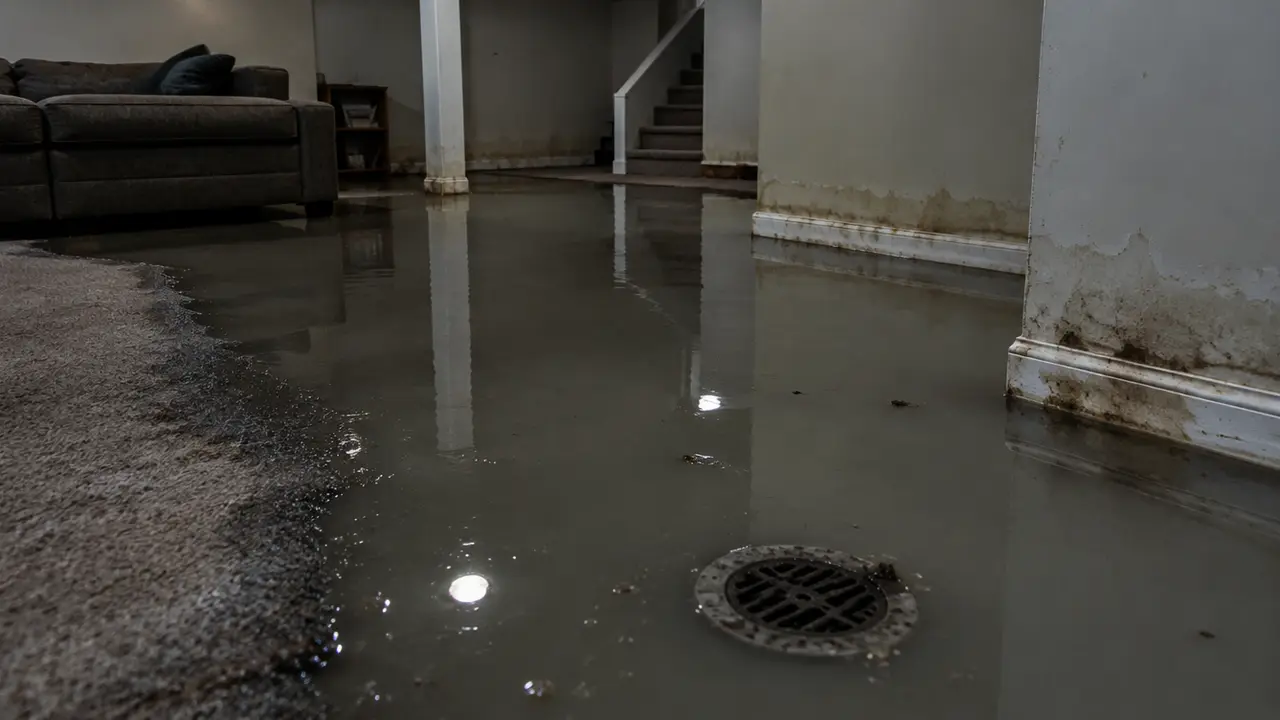
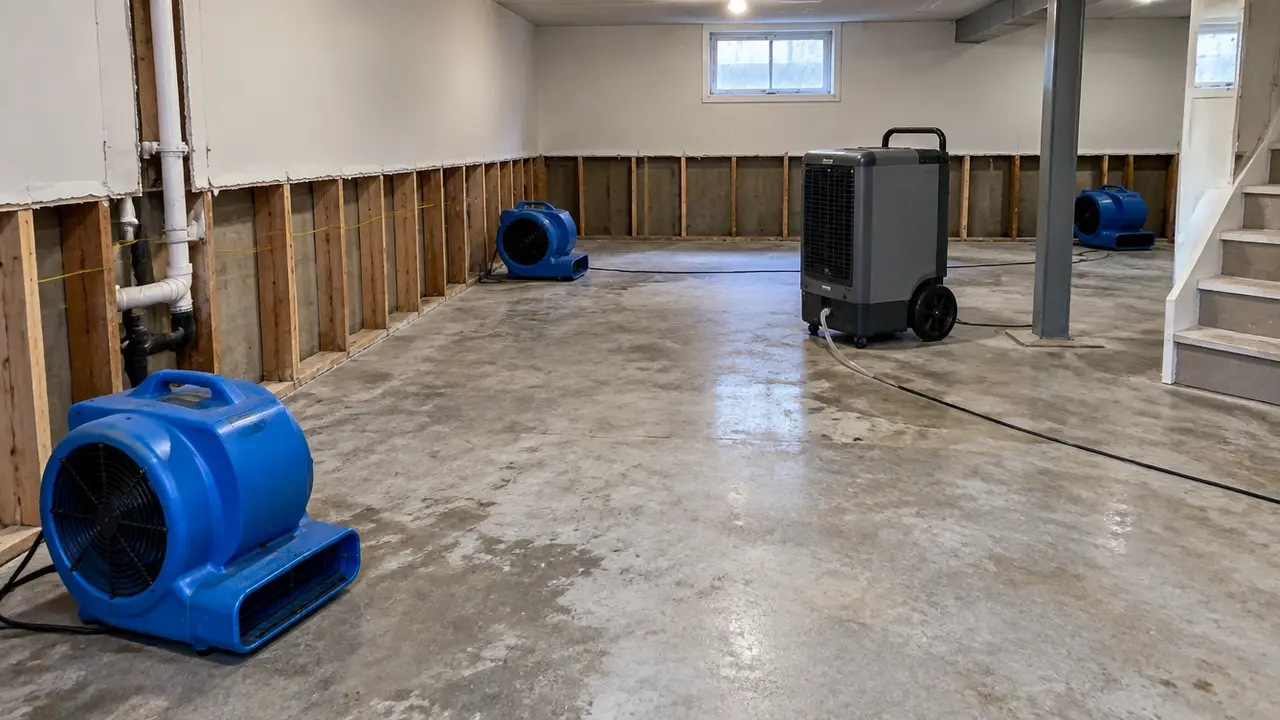
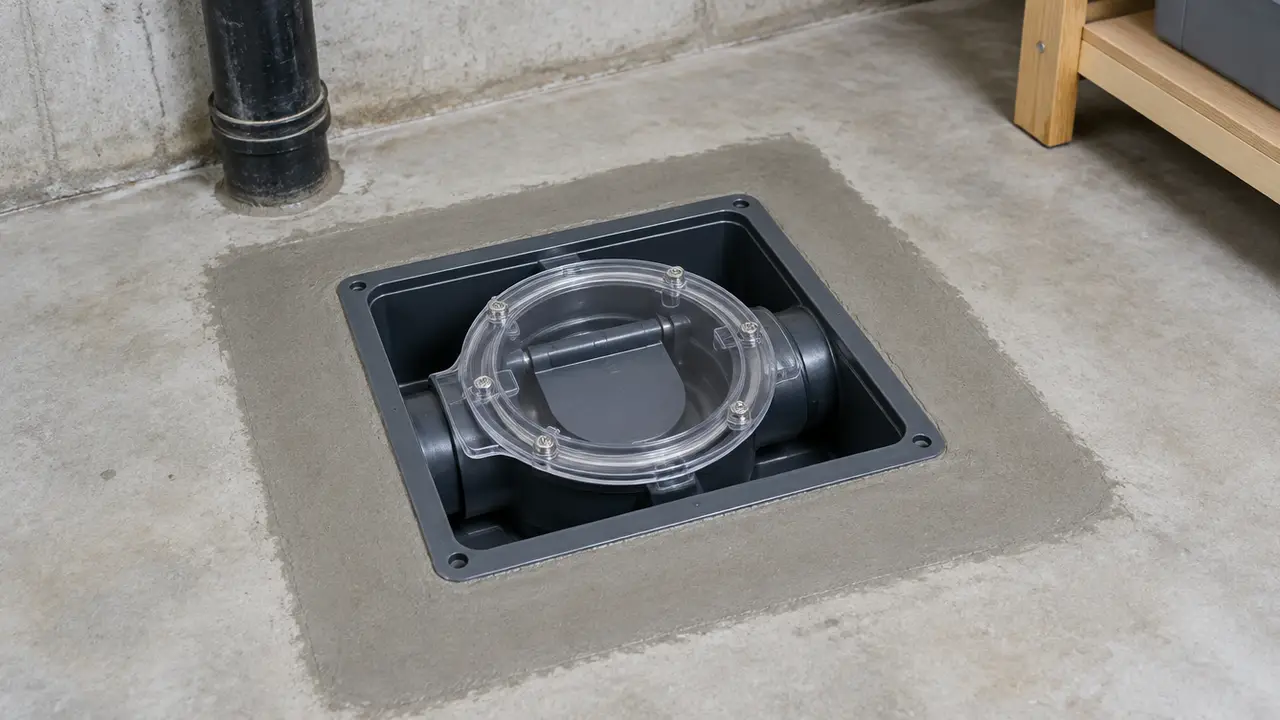
01 /What should happen first when sewage backs up?
First, protect people; second, stop the water; third, record the damage. Cleaning comes after those, not before. Keep children, pets and anyone vulnerable away, stay clear of wet outlets, cords and the electrical panel, and stop every toilet, sink, shower, washer and dishwasher in the building, because all of that water heads for the lowest drain.
Then get the line cleared. If only your house is affected and it was not raining, the blockage is probably in your own pipe and a drain contractor clears it. If neighbours are affected or it happened in a storm, the municipal sewer may be surcharging; report it to your city, which in Toronto, Calgary and Montréal means 311, in Vancouver 3-1-1, and in Edmonton EPCOR. Call your insurer the same day and write down the claim number.
Take photos and video of the water, the drain it came from and everything damaged before anything is moved. The sewage emergency guide sets out the full sequence, and the Sewage Backup Checklist timestamps each step for your insurer.
02 /Why is sewage cleanup different from a clean water leak?
Sewage is contaminated, so the rule changes from dry it to remove it. After a burst supply pipe, wet carpet and drywall can sometimes be dried in place. After sewage, porous materials such as carpet, underlay, the lower drywall, insulation, mattresses and upholstered furniture are normally discarded, and every hard surface is cleaned and then disinfected before drying.
| Question | Clean supply water | Sewage |
|---|---|---|
| Can carpet be saved? | Sometimes, if dried fast | Normally discarded with the underlay |
| Drywall | Often dried in place if caught quickly | Cut out above the wet line |
| Cleaning | Detergent and drying | Detergent, then disinfectant, then drying |
| Who can do it | Often the owner | Owner only for small hard-surface spills |
| Health precautions | Electrical safety | Electrical safety plus protective gear; vulnerable people stay away |
Health Canada says children, pregnant women and people with respiratory problems should never handle sewage-contaminated water or materials. Clean-water leaks from supply pipes are the lane of the sister site BurstPipe.ca; clearing the blocked line is covered by SewerCleaners.ca. SewageCleanup.ca covers what happens in between: the cleanup after sewage.
03 /How does a proper sewage cleanup unfold?
A proper cleanup follows five stages. Ask the restoration company to explain the work and document its scope before rebuilding begins. For a useful request, include your city, affected rooms, when the backup started and whether water is still coming in.
- Extraction
Standing sewage and sludge are pumped and vacuumed out once the line is flowing.
- Removal
Soaked carpet, underlay, lower drywall, insulation and contents are cut out, bagged and photographed.
- Cleaning and disinfection
Hard surfaces are washed with detergent, then disinfected for the product's full contact time.
- Structural drying
Dehumidifiers and air movers run until moisture readings match unaffected areas, ideally within about 48 hours.
- Restoration
Once dry, the space is rebuilt, often under a separate scope and invoice.
Whether you need a professional for all of this depends on the water, the area, the materials, the time and who lives in the home. The Sewage Cleanup Triage applies those rules in under a minute, and DIY versus professional cleanup explains the reasoning. For homes and businesses, see residential and commercial sewage cleanup.
04 /Who pays for sewage cleanup in Canada?
Usually the owner, through insurance if the policy includes sewer backup coverage. The Insurance Bureau of Canada says damage from backed-up sewers and drains is typically not covered by a standard policy and is sold as optional coverage by most insurers. Check your declarations page for the endorsement, its limit and its deductible.
Cities generally handle their own sewer and leave cleanup inside the home to the owner. Some allow claims when public infrastructure fails; Toronto, for example, forwards such claims to its insurance adjusters. As 2026 planning estimates, professional cleanup of one finished room commonly plans at $3,000 to $10,000 and a whole finished basement at $8,000 to $25,000 before rebuild.
Evidence decides claims, so read documenting water damage for insurance before you throw anything out, and what to throw away to know what is going.
05 /What is SewageCleanup.ca, and what is it not?
SewageCleanup.ca is part of HAUSE, an independent Canadian information and service-request network. It publishes guides and tools about cleaning up after sewage backups and accepts requests through its request form, which the HAUSE desk reads and answers. It is not a restoration company. It has no crews, no dispatch centre and no network of partner companies in any city, and it does not bill insurers.
Find city-specific guidance for Toronto, Vancouver, Montréal, Calgary and Edmonton, built from each city's own pages, plus guides on health risks, warning signs, disinfecting, backwater valves and working with a restoration company. Terms are defined in the glossary, and short answers are on the FAQ page.
Every guide on SewageCleanup.ca
Sewage Backup Cleanup in Edmonton
Sewage backup cleanup in Edmonton: reporting to EPCOR, who owns which part of the sewer line, cleanup costs, and EPCOR's backwater valve subsidy.
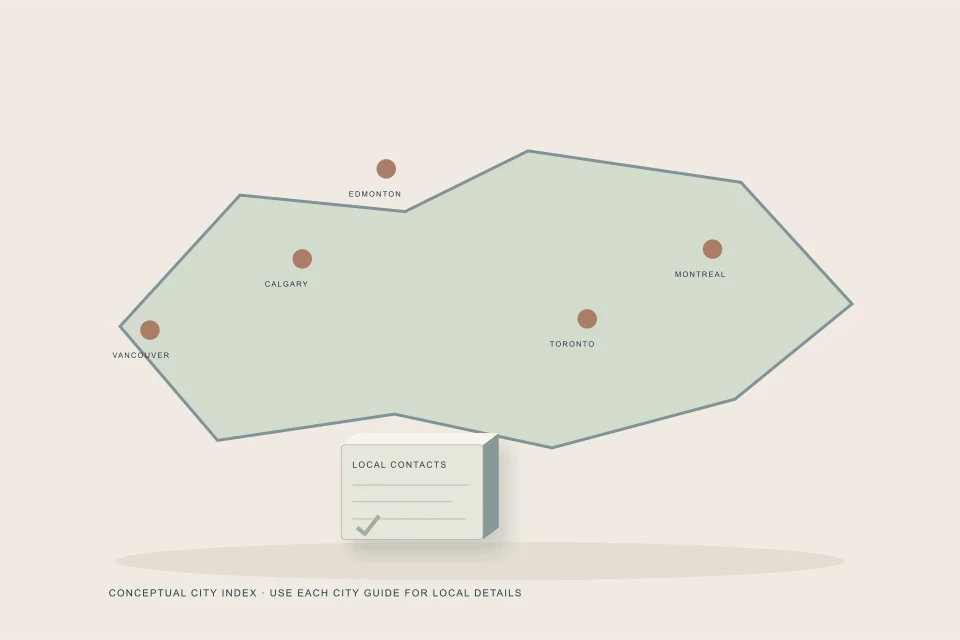
Sewage cleanup across Canada
Sewage cleanup across Canada, city by city: who to call, who owns the sewer line, what City crews do, and flood-protection subsidies in five cities.
Sewage Backup Cleanup in Montreal
Sewage backup cleanup in Montréal: post-flood steps, the 50 cm drywall rule, bylaw 11-010 on backwater valves, 311 checks, and RénoPlex aid.
Sewage Backup Cleanup in Toronto
Sewage backup cleanup in Toronto: calling 311, City versus owner responsibility, claims against the City, safe cleanup and the flooding subsidy.
Sewage Backup Cleanup in Vancouver
Sewage backup cleanup in Vancouver: 3-1-1 or a plumber, who can request a City sewer crew, how charges are decided, and cleaning up afterwards.
DIY vs professional sewage cleanup: what you need to know
DIY vs professional sewage cleanup: the four triggers for calling a pro, how to clean a small hard-surface spill safely, and what each option costs.
How to disinfect after a sewage backup
How to disinfect after a sewage backup: why cleaning comes first, using bleach and other disinfectants safely, contact time, and cleaning your tools.
Drying out and preventing mould after a sewage backup
Drying and mould after a sewage backup: the 48-hour window, dehumidifiers versus open windows, moisture readings and when mould needs a professional.
What to throw away after a sewage backup
What to throw away after a sewage backup, item by item: carpet, drywall, furniture, food, toys and appliances, and what can be cleaned and kept.
Working with a restoration company after a sewage backup
Working with a restoration company after a sewage backup: choosing one, questions to ask, reading the scope, direction-to-pay forms and sign-off.
Warning signs of an impending sewage backup
Warning signs of a sewage backup: gurgling, slow drains, water at the floor drain, sewer odour and storm surges, and how to shrink a future cleanup.
What to do in a sewage emergency
Sewage emergency guide: what to do and not do in the first hours of a sewage backup, from power and gas safety to stopping water use, photos and who to call.
How to document water and sewage damage for insurance
How to document water and sewage damage for insurance: a photo plan, a contents inventory, receipts, moisture records and a call log adjusters can use.
Backwater valves after a sewage backup
Backwater valves after a sewage backup: why a valve may not have helped, how to check and clean one after a flood, and subsidies in three cities.
Health risks associated with sewage exposure
Health risks of sewage exposure: how germs get in during cleanup, sewer gas, later mould, who must stay away, what to wear and when to see a doctor.
Commercial sewage backup and water damage cleanup
Commercial sewage backup cleanup for offices, shops, restaurants and warehouses: assessment, containment, reopening, staff safety and claim records.
Home sewage backup cleanup services
Home sewage backup cleanup explained: extraction, removal, disinfection, odour control and drying, plus how houses, suites and condos differ.
How much does sewage cleanup cost?
Sewage cleanup cost in Canada, 2026 planning ranges: clearing the line, one room, a finished basement, contents, mould and rebuild, and what moves the price.
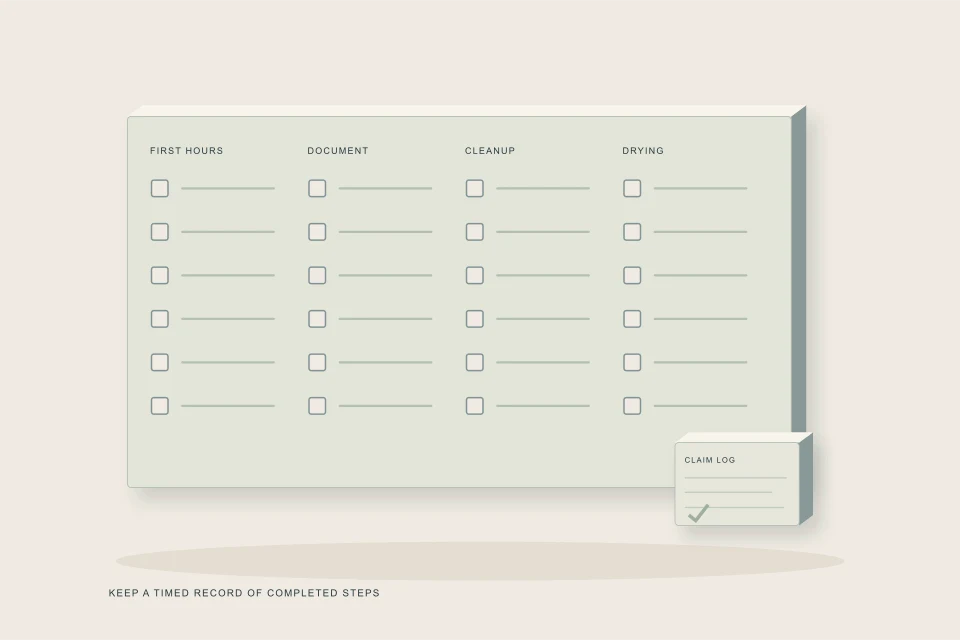
Sewage Backup Checklist
Sewage Backup Checklist: 24 tickable steps in six stages, each stamped with the time you ticked it, plus a plain-text log you can paste into claim notes.

Sewage Cleanup Triage
Sewage Cleanup Triage: answer six questions about the water, the area, what got wet and who lives there to see if it is an owner job or a pro job.
Sewage Backup Cleanup in Calgary
Sewage backup cleanup in Calgary: the City's three steps, how 311 decides plumber or City crew, who owns the service line, and safe basement cleanup.
Frequently asked
Is a sewage backup covered by standard home insurance in Canada?
Typically not. The Insurance Bureau of Canada says sewer backup is optional coverage offered by most insurers. Check whether your policy has the endorsement and what its limit is.
How fast does sewage cleanup need to start?
Within the first day if possible. Health Canada says materials dried within 48 hours are less likely to grow mould, and cleanup comes before drying.
Can sewage-soaked drywall be dried instead of removed?
No. Drywall and insulation that sewage soaked are cut out above the wet line, because contamination sits inside them where cleaning cannot reach.
Does SewageCleanup.ca work in my city?
It publishes guidance for all of Canada and city guides for Toronto, Vancouver, Montréal, Calgary and Edmonton. It has no crews anywhere; the request desk can follow up wherever you are.
Should I call a plumber or a restoration company after a sewage backup?
Both, in order. A drain contractor or your city clears the line first; a restoration company then handles extraction, removal, disinfection and drying.
Is it safe to be in the house after sewage backs up?
Usually, if the sewage is confined to the basement, the power is safe and vulnerable people stay away. Leave if the smell is strong, you feel unwell or you smell gas.
Describe the problem once. Get a straight answer.
Send the symptoms and anything you already know — age of the house, what a camera found, what you have been quoted. The HAUSE Sewer desk replies with next steps and, where available, a local contractor for the job.
Sewage backing up right now? Stop using all water, keep people and pets away, do not touch electrical equipment near the water, and call a drain contractor to clear the line before cleanup starts.